A real home.
You remember those right?
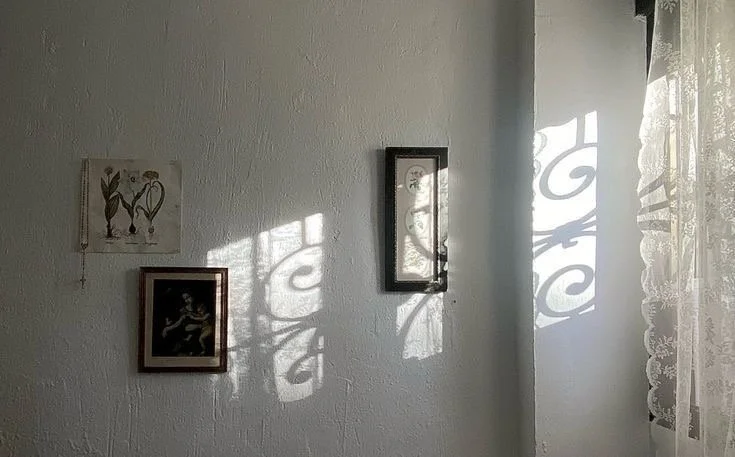
The Problem With Perfection
Perfection is sterile.
When every piece is new, coordinated, and trend-aligned, the home becomes anonymous. It could belong to anyone… which means it belongs to no one. And chasing that perfection often comes at a cost: financial stress, constant comparison, and a lingering dissatisfaction that something still doesn’t feel right.
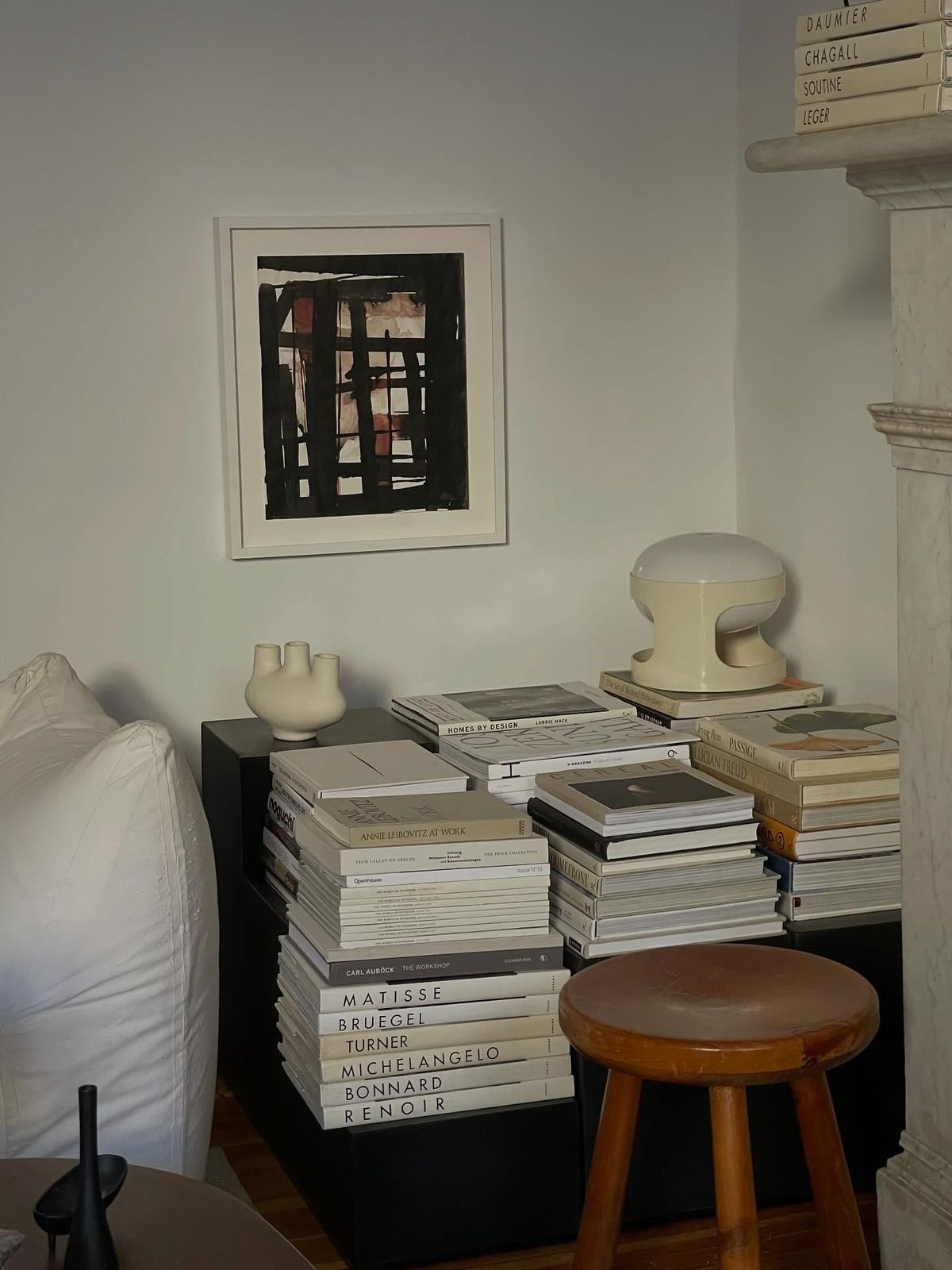
Gone are the days when a “beautiful home” meant perfectly styled shelves, identical boucle chairs, and a carousel of borrowed trends - all bought at speed, all paid for later. Gone is the pressure to own every it piece, to live inside a showroom, to keep up with an algorithm that refreshes faster than we can breathe.
I’m here to tell you: those days are over.
Not because trends disappeared, but because people are tired. Tired of sameness. Tired of debt. Tired of living inside a space that photographs well but feels hollow the moment the phone is put down.
What’s replacing it is something far more enduring: the real home.
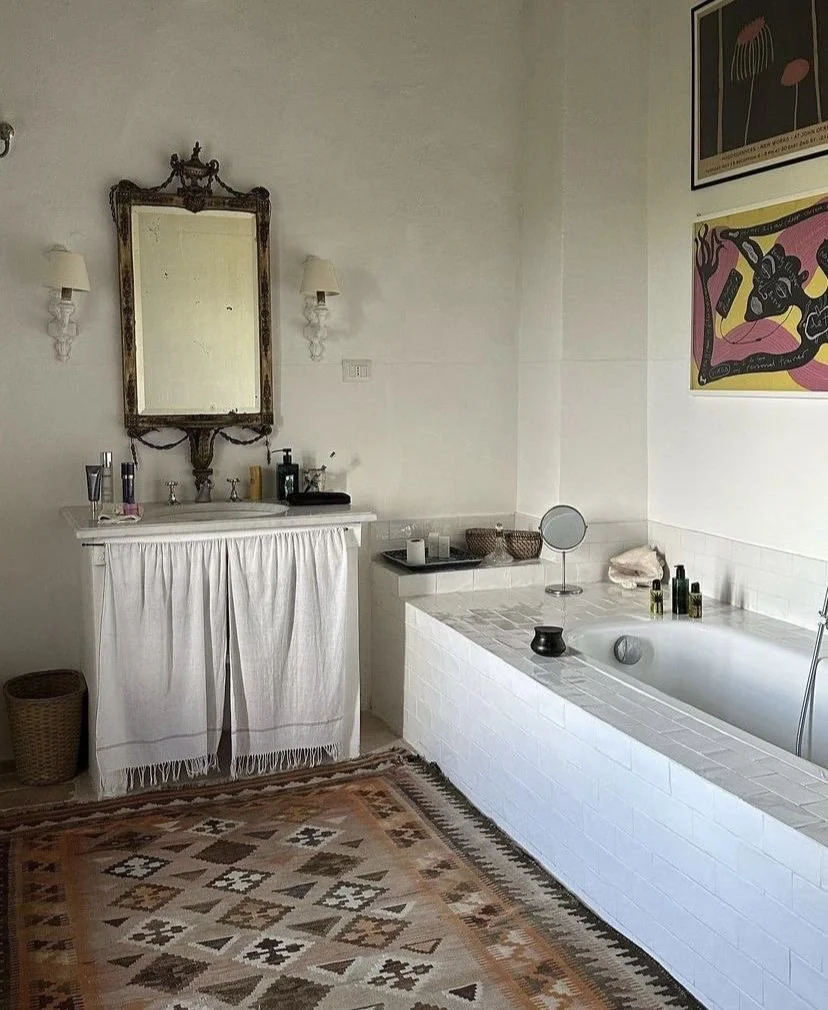
The cultural shift is subtle but decisive: away from interior perfection, and back toward homes that feel grounded, personal, and emotionally coherent. Not homes designed to impress, but homes designed to hold life.
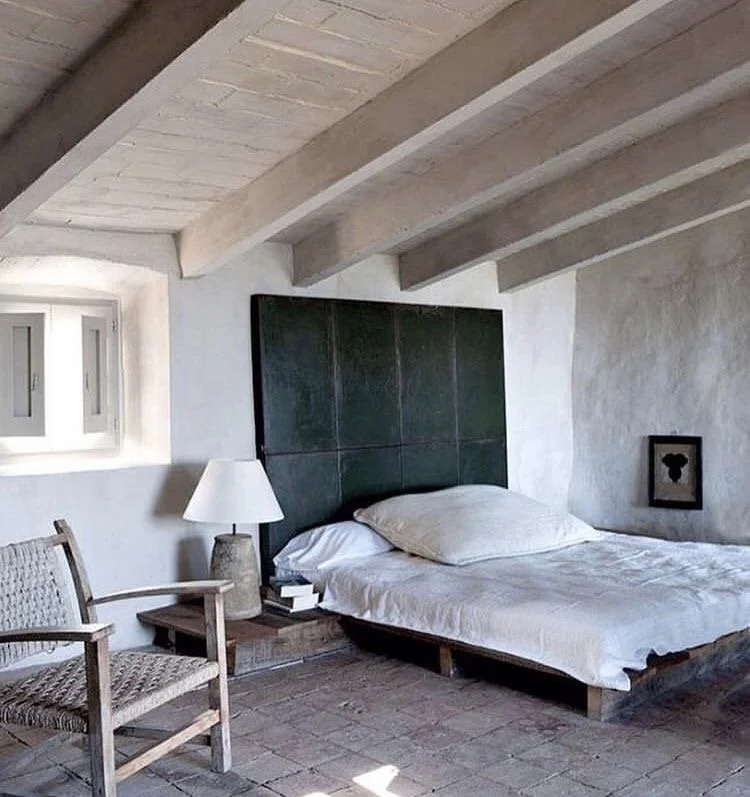
A home filled with “it” pieces may photograph well, but it often feels hollow. There is no narrative. No friction. No memory. Just consumption.
Increasingly, people are opting out - not because they no longer care about beauty, but because they care more deeply about it.
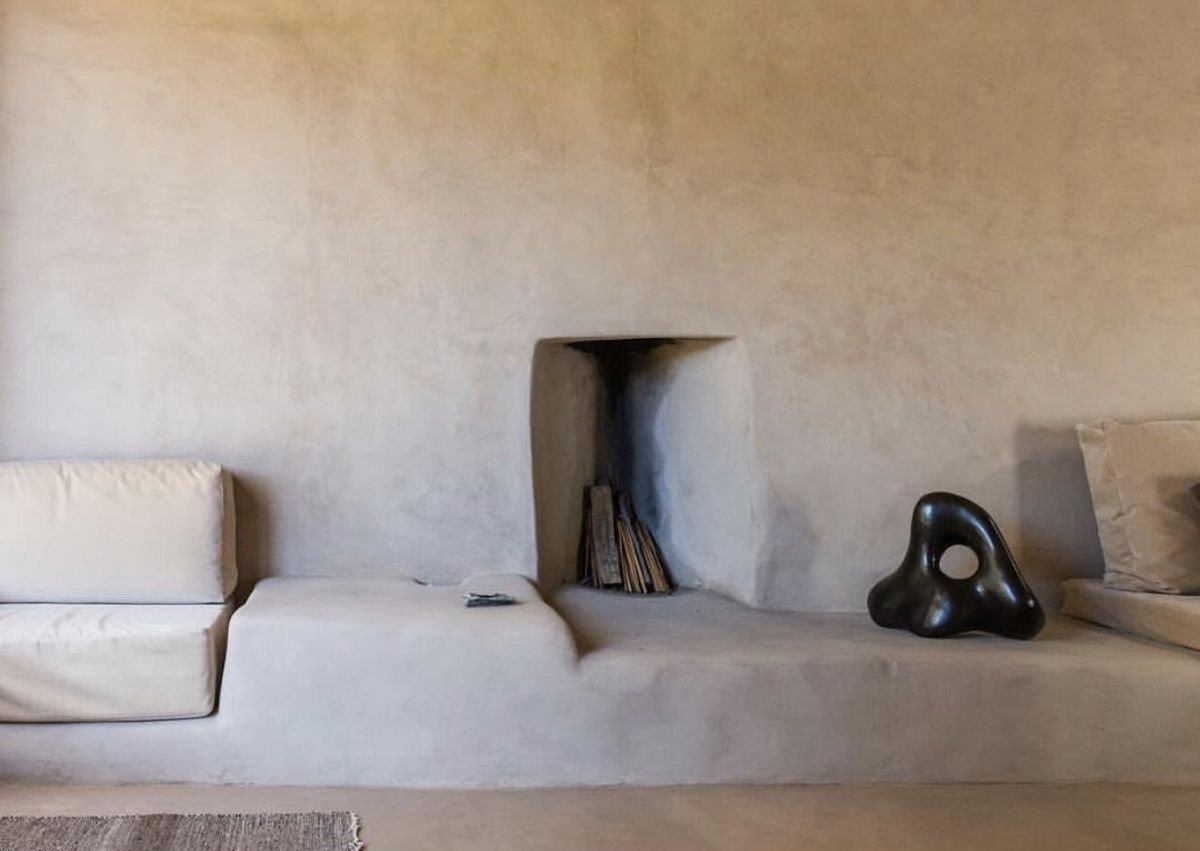
Authenticity shows up as:
Objects chosen because they resonated, not because they were popular
Pieces that show age, patina, or repair
Layouts that prioritise how people actually move, rest, and gather.
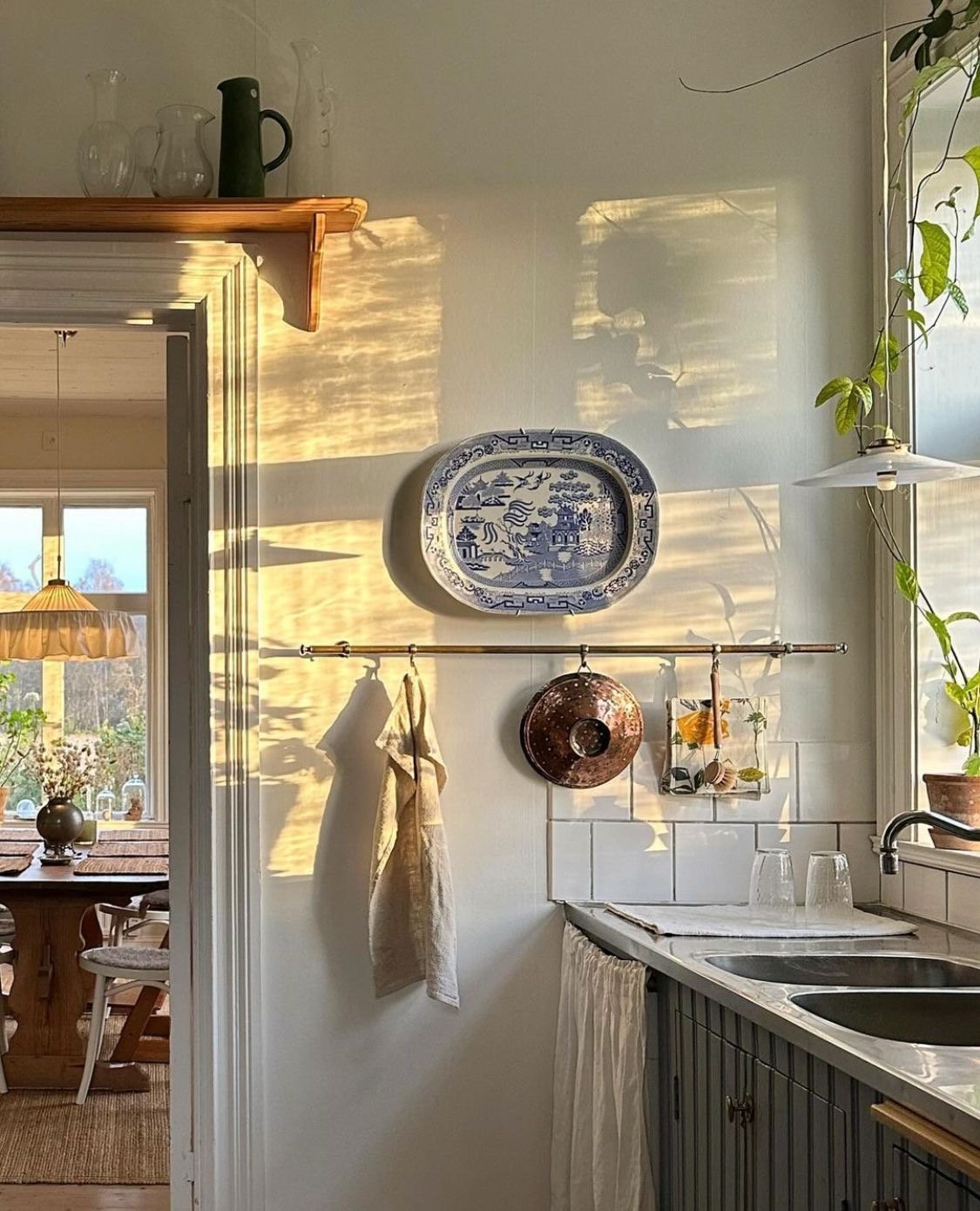
How to Find Truly Authentic Pieces
Authentic pieces are rarely found by searching for them directly.
They tend to come from:
Travel - small workshops, local markets, roadside finds
Second-hand spaces - antique stores, estate sales, unexpected corners
Inherited or gifted items - objects that already carry a history
When choosing, ask one question: Would I still want this if no one ever saw it?
If the answer is yes, it belongs.
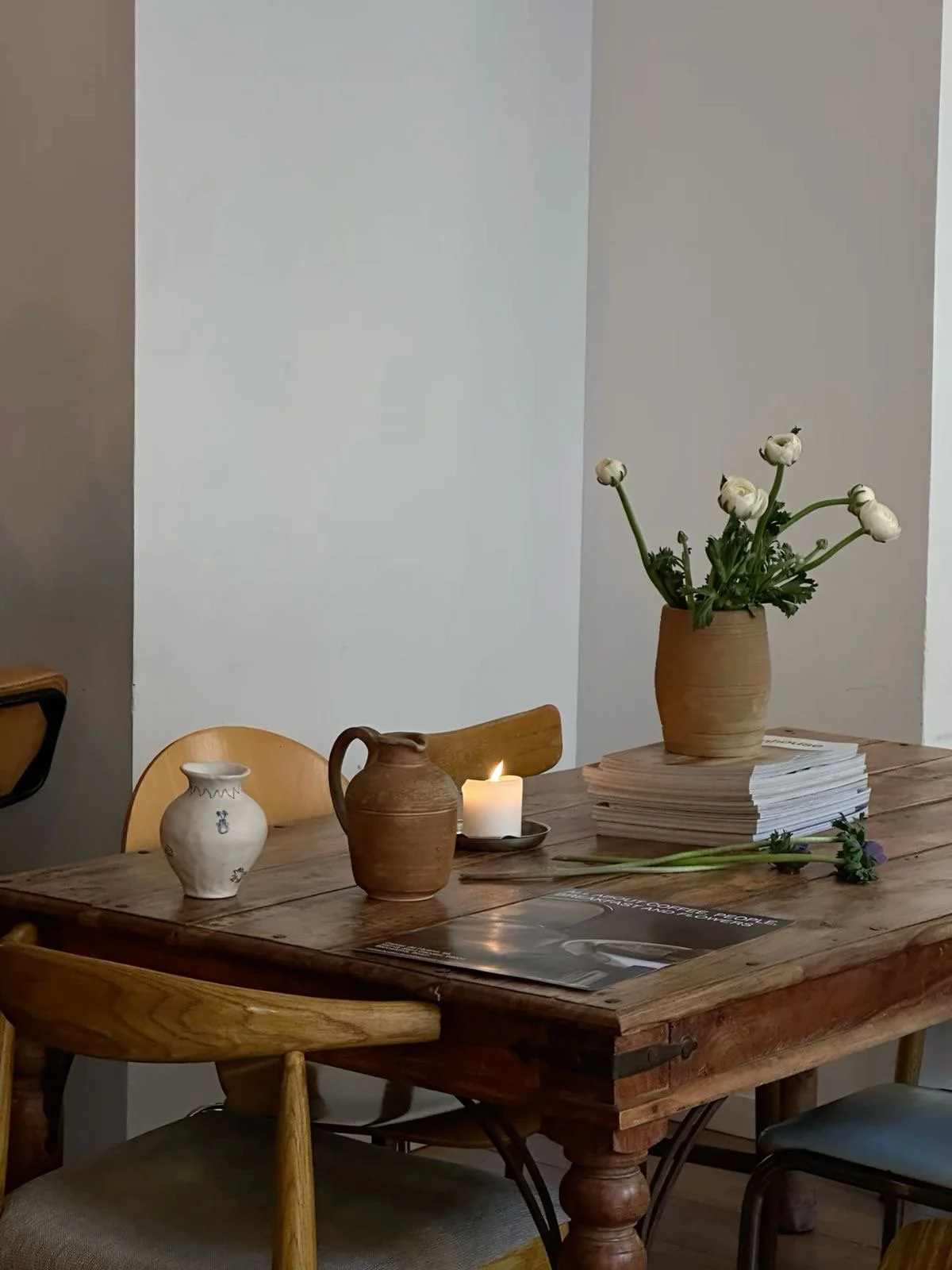
We’re moving away from curated sameness and toward soulful individuality. Away from debt-fuelled design and toward spaces that grow with us. Away from homes made for strangers — and back to homes made for living.
And honestly?
It’s about time.